
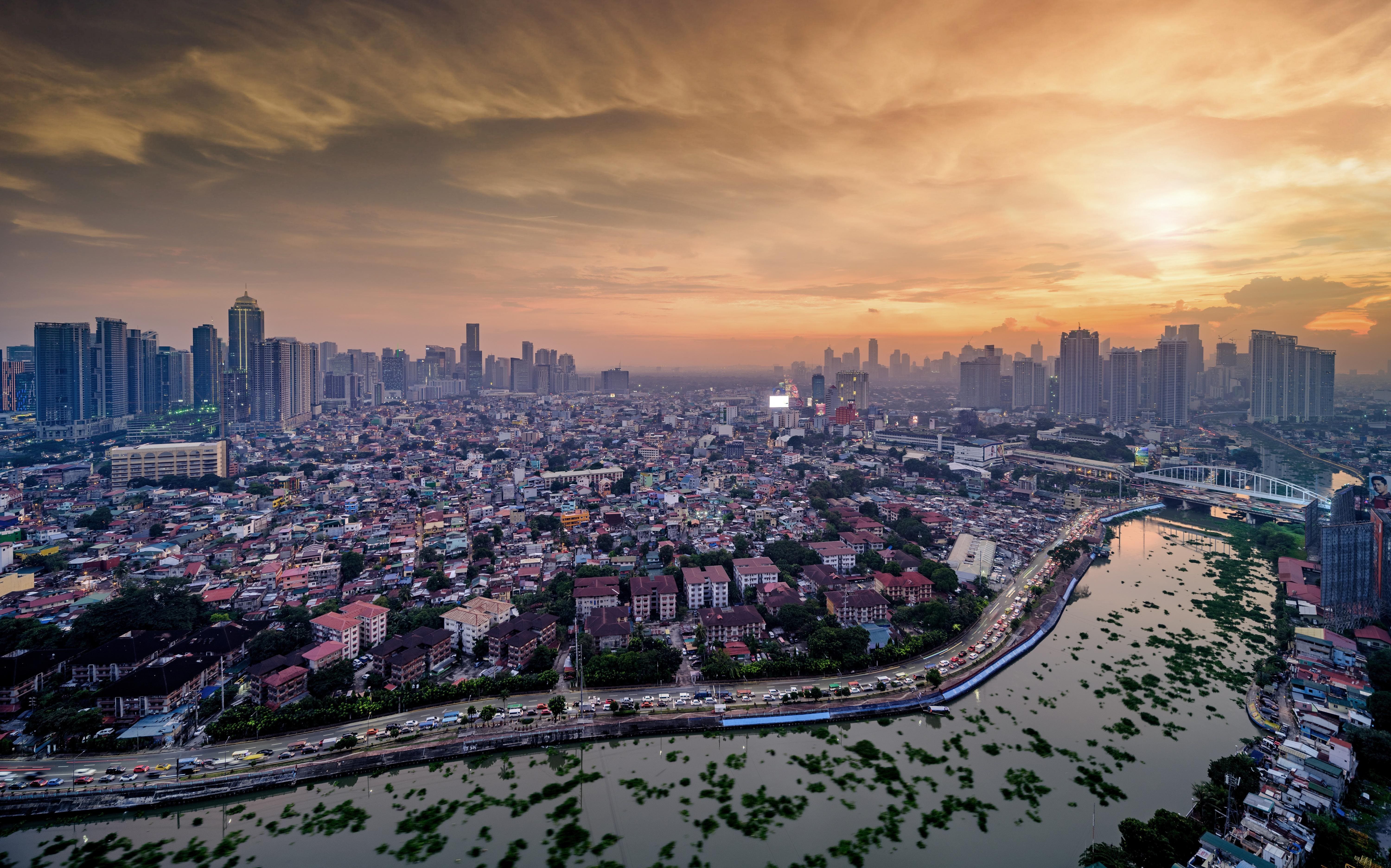
Manila, Philippines.
Overview & Benefits
The Philippines Digital Nomad Visa is a new special non-immigrant visa created by Executive Order No. 86, signed on April 24, 2025 and published in the Official Gazette on May 5, 2025. It is designed for foreigners who want to stay in the Philippines temporarily while working remotely for overseas employers or clients.
At a practical level, the visa is aimed at people whose income, contracts, and day-to-day work all stay outside the Philippines. The public DFA guidance is clear on the core eligibility rules: you must be at least 18, show remote work using digital technology, prove sufficient foreign-sourced income, have no criminal record, carry valid health insurance, avoid any local Philippine employment, and come from a country that offers DNVs to Filipinos and has a Philippine Foreign Service Post. If your country has reciprocity but no Philippine post, the EO says you can apply through the nearest eligible post.
The strongest feature of the visa is that it is not just a tourist stay with a gray area around remote work. It is a formal visa category with entry privileges during validity, and the EO gives it a maximum stay of one year with renewal for the same duration. That said, the public page still does not publish the fee, a standard processing time, or an official minimum income threshold, so applicants should expect consulate-level variation until the implementing rules are fully visible in practice.
Tax-wise, this is not a special low-tax visa. I did not find a published DNV-specific tax regime or flat rate in the EO or DFA guidance. The order only says the DFA should coordinate with the BIR. That means founders and nomads should still treat Philippine tax as a separate issue and get advice before assuming their income is outside Philippine rules.
For most applicants, the main risk is not the concept. It is the paperwork. You need clean proof that your work is remote, your income is genuinely foreign-sourced, your insurance is valid for the whole stay, and your country qualifies under the reciprocity rule. If any of those pieces look weak, the file becomes easy to reject.
If you are comparing this visa with other digital nomad routes, the Philippines stands out for its tropical lifestyle and clear remote-work framing, but it is still early in implementation. The smart approach is to build the file conservatively, avoid assumptions about tax, and verify the filing post before you book travel.
1-year validityRenewable onceMultiple entry during validity
Best for
This visa structure provides the highest ROI for these specific profiles:
Remote employeesFreelancersFoundersConsultants
Main Requirements
To qualify for the Digital Nomad Visa, you must meet the following criteria:
- You must be at least 18 years old.
- Your work must be remote and use digital technology, and your clients or employers must be outside the Philippines.
- You must prove sufficient income generated outside the Philippines. The public guidance I found does not publish a minimum income floor yet.
- You must have no criminal record.
- You must have health insurance valid for the full DNV period.
- You must be a national of a country that offers DNVs to Filipinos and has a Philippine Foreign Service Post, or you must apply through the nearest eligible Philippine FSP if your country has reciprocity but no local post.
- You must not pose a threat to the internal or external security of the Philippines.
- You must not be employed in the Philippines, and you must keep meeting the conditions for the full validity of the visa.
Reality Check: Rejections & Delays
Real Approval Difficulty
Medium. The rule set is clear at a high level, but it is still a new visa category and the public implementation details are thinner than older visa programs.
Actual Timeline
EO 86 required implementing guidelines within 30 days of effectivity and a pilot within 60 days. The public DFA page does not publish a standard processing SLA yet.
Common Rejection Reasons
- Your passport country does not offer DNVs to Filipinos.
- You cannot apply through a Philippine Foreign Service Post.
- Your income proof is weak, inconsistent, or looks locally sourced.
- Your work relationship does not clearly stay outside the Philippines.
- Your health insurance is incomplete or expires before the visa period ends.
- You have criminal record or security-clearance issues.
- Your file contains misrepresentation or other immigration compliance problems.
Biggest Downside
The biggest friction points are usually reciprocity checks, proof of foreign-sourced income, and the fact that fee and renewal mechanics are still not fully spelled out on the public page.
How to Apply (Step by Step)
1
Check Reciprocity
Confirm that your passport country offers DNVs to Filipinos and identify the correct Philippine embassy or consulate to file with.
2
Gather Proof
Prepare evidence of remote work, foreign-sourced income, no criminal record, and health insurance valid for the full visa period.
3
File at the FSP
Submit the application through the Philippine Foreign Service Post handling DNVs for your jurisdiction and complete any security-clearance checks.
4
Travel and Renew
Enter the Philippines during the visa validity period, keep all conditions in place, and renew before expiry if you want to extend your stay.
Tax & Banking Reality
Can this lead to tax residency?
EO 86 does not create a special tax holiday or flat tax regime for DNV holders. It directs the DFA to coordinate with the BIR, but the public guidance I found does not publish DNV-specific tax rules. In practice, your tax position will still depend on residency and source-of-income rules, so do not treat the visa as a tax solution without local advice.
Do banks accept this visa?
Banks will usually want a passport, the DNV sticker or approval, proof of address, and evidence of income or source of funds. Some banks may also ask for local registration or tax numbers, so expect onboarding to vary by institution.
Frequently asked questions
Can I work for Philippine clients?
No. The EO says the visa is for remote work for employers or clients situated outside the Philippines, and local employment is also a revocation ground.
Is there an official minimum income requirement?
Not in the public EO or DFA page I found. You still need to prove sufficient foreign-sourced income, but the government has not published a floor yet.
Can I apply if my country has reciprocity but no Philippine embassy?
Yes. EO 86 says you may apply in the nearest country where a Philippine Foreign Service Post is located, subject to the implementing guidelines.
How long can I stay?
The visa is valid for up to one year and may be renewed for the same duration.