Best offshore banks for foreigners — and how to actually open an account
A practical 2026 guide to non-resident and foreigner-friendly banking across ASEAN, Europe, and South America. Focused on real branch requirements, CRS/FATCA reporting, and which banks still open accounts to people who are not local citizens.
Branch policy variesReporting is the defaultNot tax or legal advice
Updated August 2026. Banking onboarding changes by branch and nationality. Confirm with the bank before you travel.
What “best offshore bank” actually means now
Twenty years ago, people searched for offshore banks mainly for secrecy. That market is mostly gone. Almost every serious financial center participates in automatic exchange of information. The banks that still matter for founders, relocators, and remote workers are the ones that:
open accounts for foreigners without inventing impossible paperwork,
process international wires without freezing every transfer,
offer a usable app and multi-currency balances, and
sit in a jurisdiction with acceptable legal and political risk.
That is why this guide mixes classic private-banking centers such as Switzerland and Singapore with practical everyday options such as Georgia, Cambodia, the Philippines, Panama, and Uruguay. The “best” bank depends on whether you need a place to live month to month, hold USD, run a company, or manage wealth. If your goal is diversification, multi-currency access, residency support, or cleaner international cashflow, this guide is for you — not secrecy.
CRS, FATCA, and what banks really report
Two reporting systems dominate cross-border banking. CRS is the OECD automatic exchange framework used by most countries outside the United States. FATCA is the US system that forces foreign banks to identify US persons. They solve related problems with different mechanics.
Reporting systems that shape every “offshore” account
CRS (OECD Common Reporting Standard)Banks collect tax residence and account data, then the host country automatically exchanges it with the account holder’s tax residence country.Assume reporting in Singapore, Switzerland, UAE, Panama, Georgia, Thailand, Malaysia, Portugal, Uruguay, and most EU centers.
FATCA (US law)Foreign financial institutions identify US persons and report US-owned accounts to the IRS, or face US withholding risk.US citizens and green-card holders should expect extra forms, possible account refusal, and mandatory US reporting even if the bank is “offshore.”
FBAR / Form 8938US information returns for foreign financial accounts and specified foreign financial assets above thresholds.Opening the account is only half the compliance work for Americans. Non-reporting is a bigger risk than opening the account.
Non-CRS or late CRS jurisdictionsSome countries are outside automatic CRS exchange or still ramping up exchanges.Cambodia and Paraguay are commonly cited as non-CRS. The Philippines has been committing to / rolling out CRS — do not treat it as permanent privacy. The US uses FATCA, not CRS reciprocity.
Practical consequence: a Swiss, Singaporean, Panamanian, Georgian, Thai, Malaysian, Portuguese, or Uruguayan account is usually reportable under CRS if you are tax resident elsewhere in the CRS network. A US person has a separate FATCA and FBAR stack. Non-CRS banking can reduce automatic third-country exchange, but it does not cancel domestic tax law, US worldwide taxation, or local bank KYC.
Do not confuse non-CRS with no tax. Your home country can still tax worldwide income. Banks can still freeze accounts. Treat “privacy jurisdiction” claims as marketing until you verify the current OECD AEOI commitment status and your own filing duties.
How to open a foreign bank account as a non-resident
Successful openings look boring: the right immigration status, a clean source-of-funds story, and documents that match. Failed openings usually fail for one of three reasons — wrong visa type, incomplete income proof, or a nationality/risk profile the bank quietly avoids.
1. Decide what the account is for
Local life (rent, payroll, utilities), multi-currency business cashflow, or long-term reserves need different banks. A Georgia personal account solves day-to-day life. A Swiss private bank does not. A Wise Business account is not a replacement for a Philippine ACR-linked retail account.
2. Match your immigration status to bank policy
Tourist stamps, digital nomad visas, work permits, and permanent residency are treated differently. The same passport can be accepted in Phnom Penh and rejected in Bangkok. Call the branch before you queue with incomplete documents.
3. Prepare source-of-funds before you walk in
Bring passport, second ID, local phone number, address proof, tax ID if asked, recent bank statements, employment or business documents, and a short explanation of expected transfers. Incomplete SOF files are the main reason non-resident applications stall.
4. Open, fund carefully, then keep the account alive
First incoming transfers should match the story you told the bank. Keep the account active with normal use, updated passport and visa copies, and a reachable phone number. Dormant foreign accounts get frozen more often than people expect.
Document checklist most foreigners actually need
Passport valid for at least 6 months, plus a second government photo ID from the same country when possible.
Proof of current address: utility bill, lease, bank statement, or hotel letter if the bank accepts temporary address.
Local phone number for OTP. Many banks will not finish onboarding without SMS verification.
Tax residence self-certification form and your home-country tax ID if you have one.
Source-of-funds pack: salary slips, company docs, sale contracts, portfolio statements, or client invoices.
Bank reference letter on letterhead if applying in Panama, Uruguay private banks, or private banking.
Visa/immigration document matching the bank’s policy: ACR, work permit, residence card, or long-stay visa.
A short written explanation of why you need the account and what monthly turnover you expect.
ASEAN banks that open accounts to foreigners
Southeast Asia is where many digital nomads and long-stay foreigners get their first non-home-country bank account. Ease varies sharply. Cambodia and parts of the Philippines remain relatively open. Thailand, Malaysia, Vietnam, and Singapore are tighter and usually want a real local status.
🇵🇭 Philippines
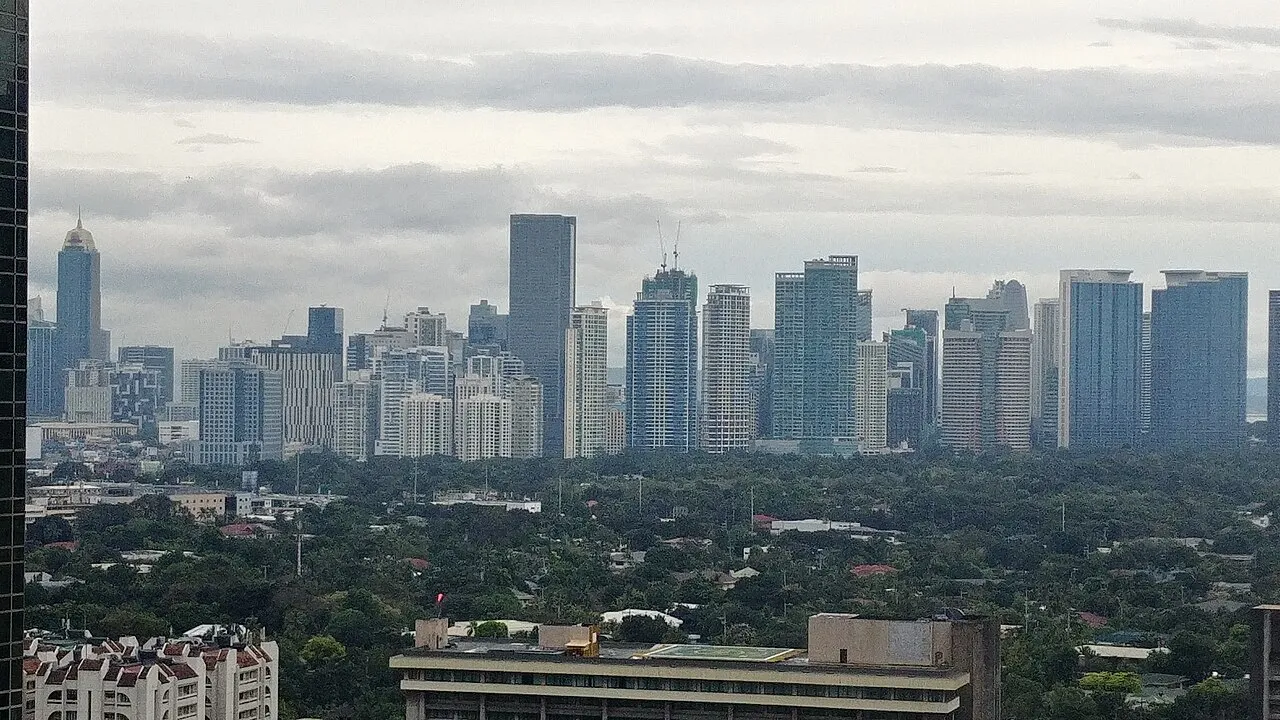
Bonifacio Global City (BGC), Taguig — a common base for foreigners.
The Philippines is one of the more practical ASEAN banking markets after you are no longer a short-stay tourist. Foreigners commonly succeed at BDO, Security Bank, and RCBC. The usual friction point is not the passport — it is the secondary local ID.
In practice, many branches want an ACR I-Card (Alien Certificate of Registration) once you stay long enough for immigration to issue one. That often means extending beyond a short tourist window. Bring passport, ACR if you have it, a Philippine phone number, local address, and enough cash for the opening deposit. Some people open earlier with flexible branches or manager discretion; do not plan your whole move on the easiest Reddit anecdote.
🇰🇭 Cambodia
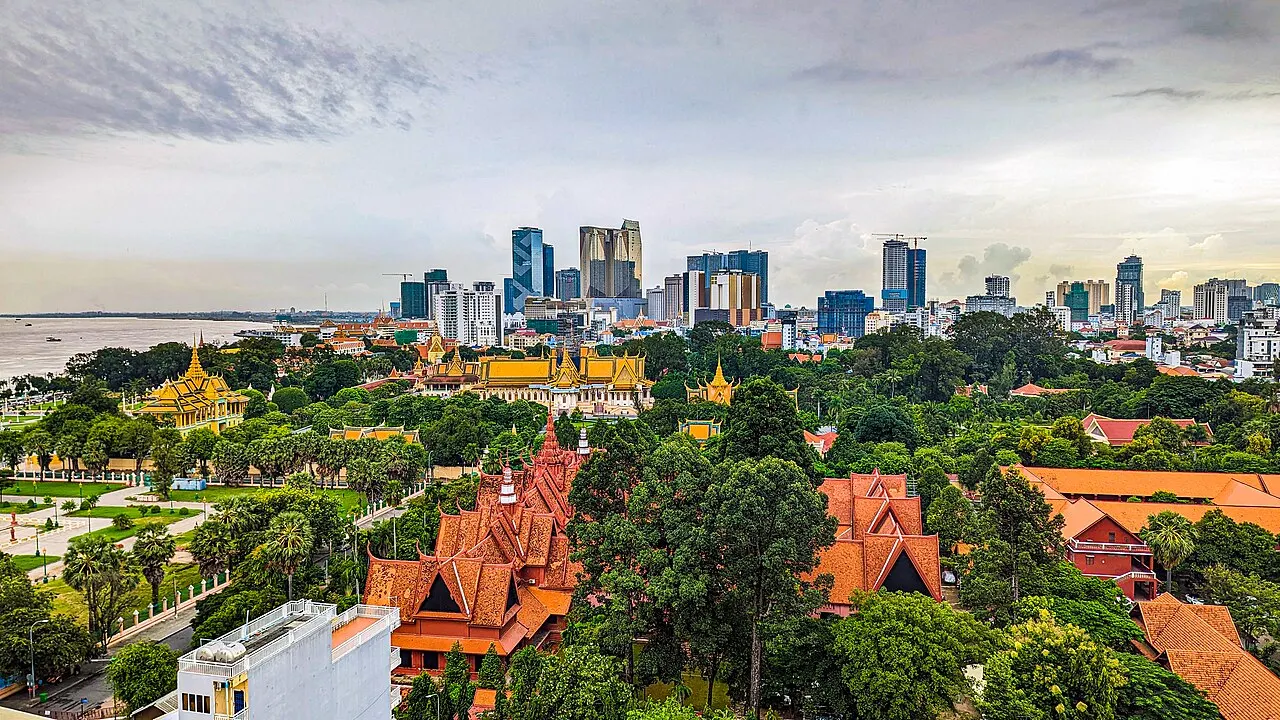
Phnom Penh — Royal Palace and modern skyline; still one of the easiest ASEAN cities for visitor USD banking.
Cambodia is still one of the easiest places in ASEAN for a foreigner to open a USD account. ABA Bank is the default expat choice for app quality and acceptance. ACLEDA is the larger traditional network alternative. Many branches open personal accounts with passport, current visa or entry stamp, and a local phone number. Some ask for address or employment documents.
Cambodia is generally outside CRS automatic exchange. That is a reporting fact, not a permission slip to ignore tax obligations at home. Treat it as convenient multi-currency banking in a frontier market, and keep deposit size and bank-risk appetite realistic.
🇹🇭 Thailand, 🇲🇾 Malaysia, 🇻🇳 Vietnam, 🇸🇬 Singapore
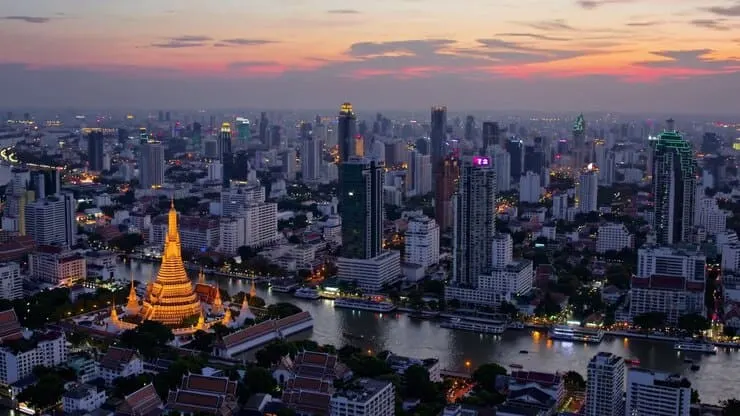
Bangkok — long-stay or work status usually required.Ho Chi Minh City — tourist openings are largely closed at big banks.Singapore — strong system, hard for pure non-residents.
These are stronger banking systems with stricter foreigner gates. In Thailand, major banks such as Bangkok Bank, Kasikorn, SCB, and Krungsri generally want a long-stay visa. Tourist stamps and many DTV holders are rejected. In Malaysia, Maybank and CIMB usually want an Employment Pass, MM2H, student, or dependent pass. In Vietnam, expect a visa or TRC with meaningful remaining validity; tourist openings are largely closed at the big banks. In Singapore, retail banking is straightforward with an Employment Pass or similar status; pure non-resident private banking is a high-AUM conversation.
ASEAN snapshot for foreign account seekers
BDO, Security Bank, RCBC🇵🇭 Philippines
Foreigners: Yes, with branch discretionCRS: CRS committed / rollout ongoing
Requirements: Passport, usually ACR I-Card after longer stay, local address/phone, initial deposit
Many expats report easier success after extending a visa and obtaining an ACR. Tourist-only openings exist at some branches but are less reliable.
ABA Bank, ACLEDA🇰🇭 Cambodia
Foreigners: Often yes for visitorsCRS: Not CRS
Requirements: Passport, valid visa/entry stamp, local phone; some branches ask address or employment docs
ABA is the usual expat pick for USD accounts and app quality. Policy can tighten; bring more documents than the blog post promised.
Foreigners: Residents easy; pure non-residents hardCRS: CRS participant
Requirements: Employment/student pass for retail; private banking needs high AUM and full KYC
One of the strongest banking systems globally, not a casual tourist account destination.
Europe and nearby: from easy personal accounts to private banks
Europe is not one banking market. Georgia remains unusually open for personal accounts. Switzerland and Liechtenstein remain excellent for wealth management if you can clear high KYC bars. Portugal and other EU states are useful for life and residency, not for old-style offshore secrecy.
🇬🇪 Georgia
Tbilisi — among the easiest places in the wider European region for a multi-currency personal account.
For many relocators, Georgia is the practical European-adjacent win. TBC Bank and Bank of Georgia regularly open multi-currency personal accounts for non-residents with a passport, local phone number, and a basic source-of-funds declaration. Airbnb or hotel addresses are often accepted. Business accounts are a different, harder product.
Georgia participates in CRS. The advantage is access and usability, not non-reporting.
🇨🇭 Switzerland and 🇱🇮 Liechtenstein
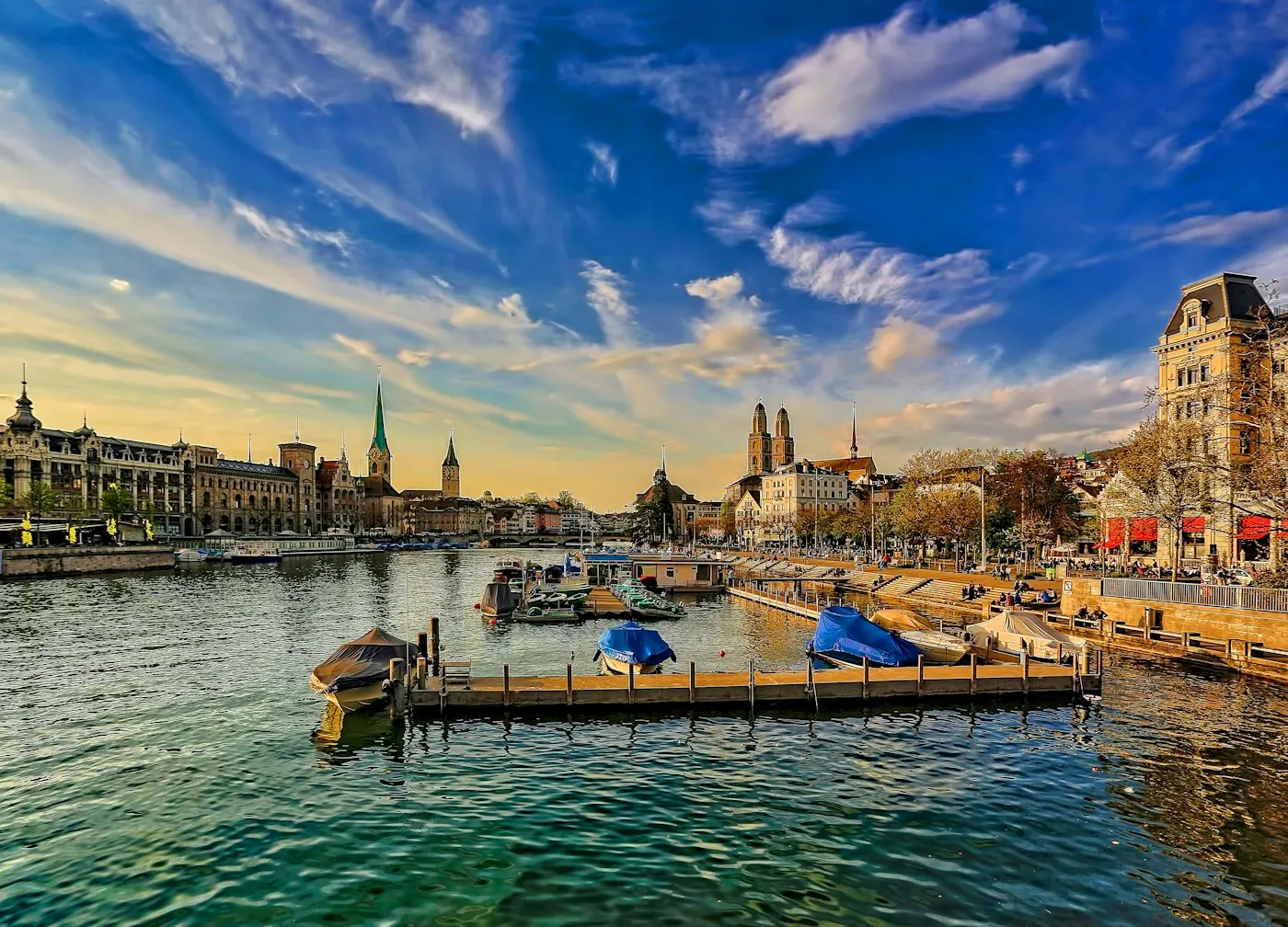
Zurich — excellent private banking and compliance, not secret banking.
Swiss banking still means stability, service, and investment infrastructure. It does not mean anonymous accounts. CRS and FATCA both apply. Retail or digital entry points such as Swissquote can be far lower than private-bank minimums, while classic private banks often want from roughly CHF 250,000 to CHF 1 million or more, higher for many US persons. Liechtenstein private banks follow a similar high-KYC, high-minimum pattern.
🇵🇹 Portugal, 🇨🇾 Cyprus, 🇲🇹 Malta
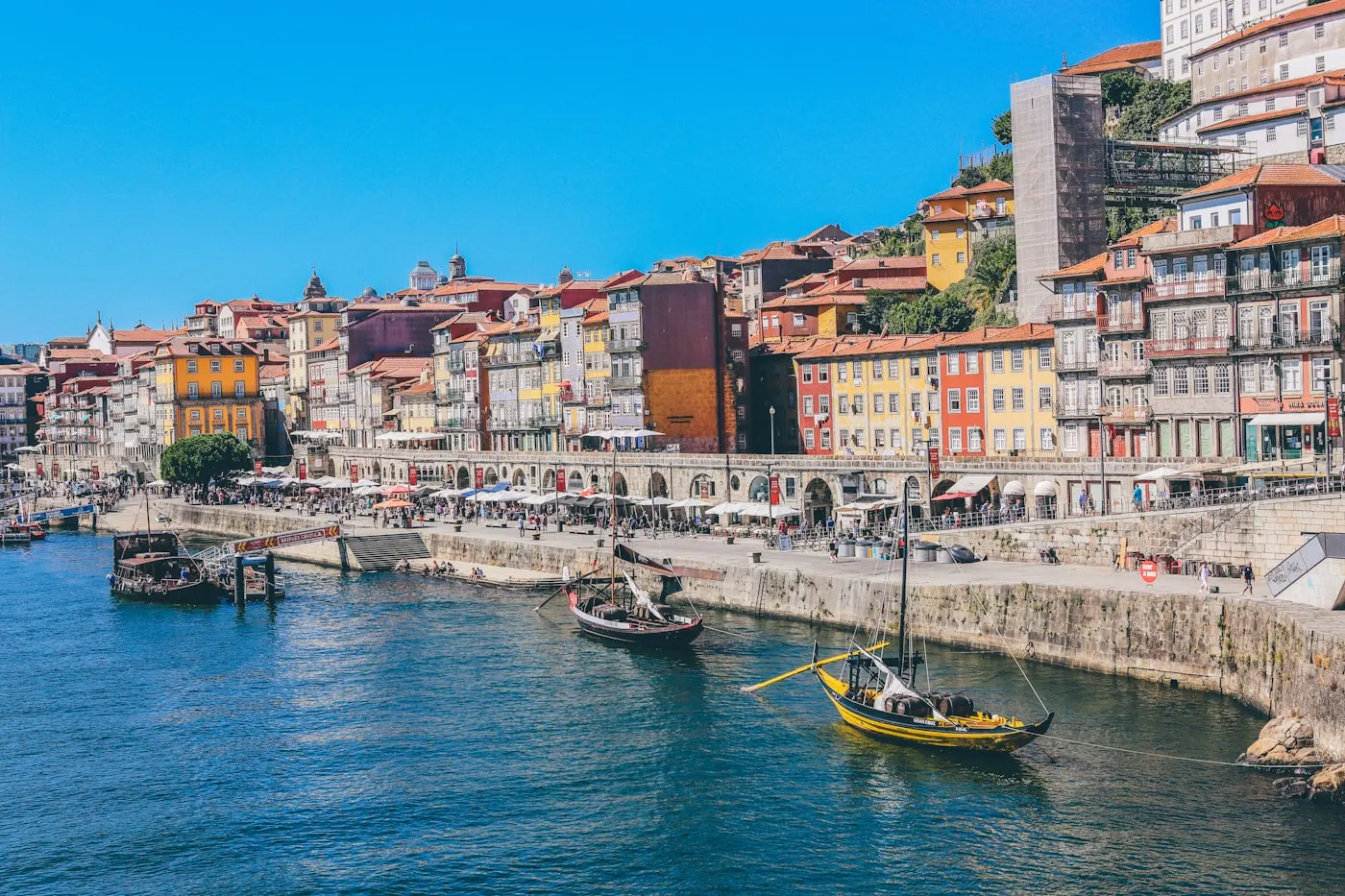
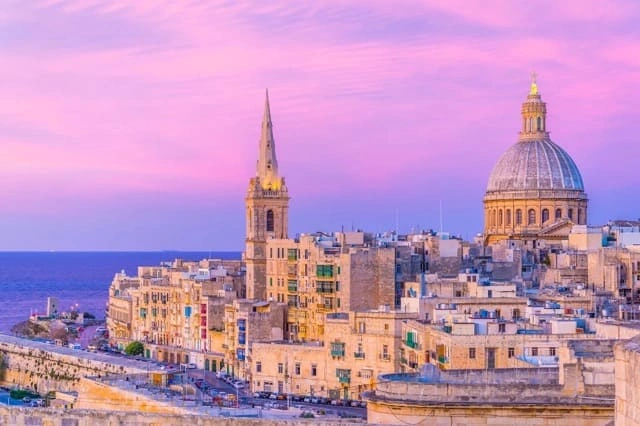
Lisbon — get a NIF first; non-resident openings have tightened.Malta — useful if you live or operate there, not for parking cash and leaving.
These are EU banking options tied to residence, property, or company substance. In Portugal, get a NIF first. Millennium BCP and similar banks can work for foreigners, but non-EU non-residents face tighter rules than they did a few years ago. Cyprus and Malta are useful if you actually live or operate there; they are poor choices if the only plan is “open an account and leave.”
EU banking with strong compliance. Non-resident pure “park cash” files are often rejected.
LLB, Bank Frick, VP Bank🇱🇮 Liechtenstein
Foreigners: Yes for qualified non-residentsCRS: CRS participant
Requirements: High KYC; private-bank style minimums often from tens of thousands to CHF 500k+
Wealth and private banking, not tourist retail banking.
South America: Panama, Paraguay, Uruguay
Latin America still attracts people looking for USD banking, residency routes, and jurisdictional diversification. The realistic ranking for non-residents is usually Panama first for pure banking access, Uruguay next via the state bank, and Paraguay only after residency paperwork is done.
🇵🇦 Panama
Panama City — strong non-resident USD banking if your KYC pack is complete.
Panama remains one of the better non-resident banking markets in the Americas if your documents are complete. Banks frequently named by foreigners include Banistmo, Multibank, BAC, and sometimes Banco General with stronger local ties. Expect passport, second ID, proof of address, bank reference letter, income proof, and a real interview about source of funds. Opening deposits commonly land between a few hundred and several thousand dollars depending on bank and profile.
Panama is a CRS participant. Americans should also assume FATCA paperwork and possible selective refusal.
🇵🇾 Paraguay
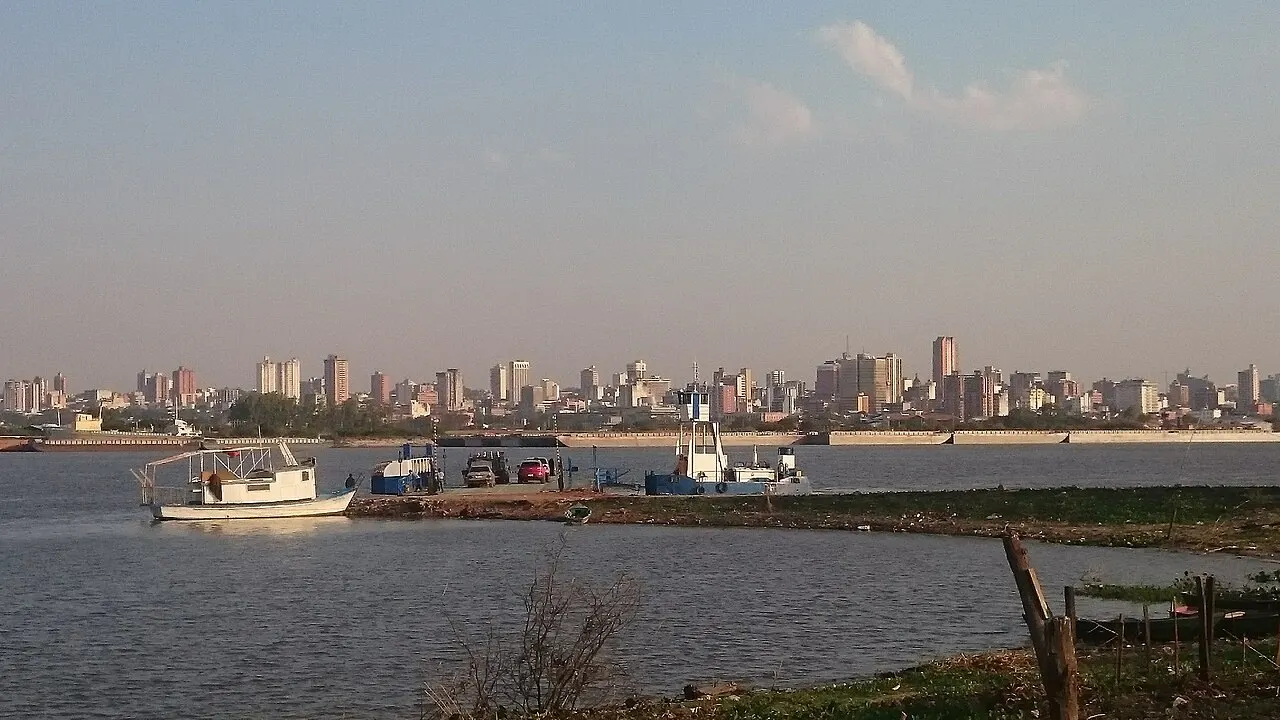
Asunción — residency and cédula first; banking is step two.
Paraguay is often marketed for tax simplicity and relative banking privacy because it is not a CRS participant. That does not mean walk-in tourist banking. In current practice, foreigners usually open at Ueno, Banco Continental, or Itaú after they hold a Paraguayan cédula from residency. Source-of-funds and address proof still matter. Build the residency file first; banking is step two.
🇺🇾 Uruguay
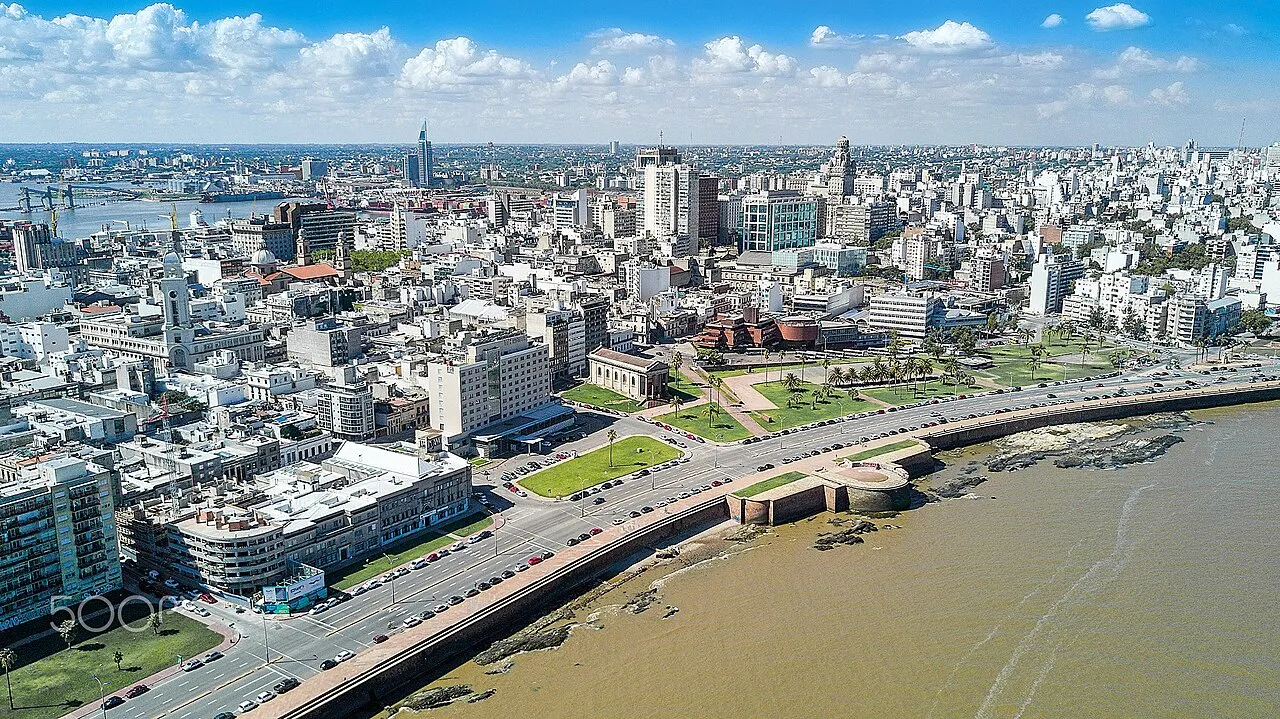
Montevideo (Ciudad Vieja and Rambla) — BROU is the practical non-resident entry point.
Uruguay has a more conservative, institutional feel. Non-residents most often start with state-owned BROU. Private banks such as Itaú, Santander, and BBVA are smoother after you have stronger local status. Uruguay is in CRS. The draw is stability and legitimacy, not secrecy.
Foreigners: Non-residents mainly via BROUCRS: CRS participant
Requirements: Passport, second ID, address, income/SOF; private banks prefer cédula or stronger ties
State bank BROU is the practical non-resident entry point. Private banks are smoother after residency.
Quick comparison: where foreigners can realistically open
Use this as a route-planning table, not a ranking of moral virtue. “Easier” means onboarding access. “Better” depends on deposit safety, currency needs, app quality, and how the jurisdiction fits your tax residence plan.
Ease vs reporting reality
PlaceEaseBest fitCRSMain caveat
🇰🇭 CambodiaHighVisitor / short-stay USD bankingNot CRSBranch policy changes; not a G7-style safety brand
🇬🇪 GeorgiaHighNon-resident multi-currency personal accountCRSBusiness accounts much harder than personal
🇵🇭 PhilippinesMediumLonger-stay foreigner retail bankingCRS rolloutACR often becomes the real gate
🇵🇦 PanamaMediumNon-resident USD banking with full KYC packCRSBank references and SOF quality decide approval
🇺🇾 UruguayMediumNon-resident entry via BROUCRSPrivate banks prefer residents
🇹🇭 Thailand / Malaysia / VietnamMedium–LowResident or long-stay bankingMixedTourist and weak visa files usually fail
🇸🇬 Singapore / SwitzerlandLow for casual non-residentsHigh-quality, highly regulated bankingCRSBest systems, not easiest openings
🇵🇾 ParaguayLow until residencyResident banking after cédulaNot CRSResidency first; then Ueno/Continental/Itaú
When a fintech account is the better first move
Not every cross-border need requires a traditional offshore bank. For freelancers and founders, multi-currency fintech accounts often beat mid-tier offshore banks on speed, FX cost, and remote onboarding. They usually do not replace a local bank when you need rent payments, payroll, or proof of local financial life for residency.
Start with our banking reviews if your real problem is international payments rather than a foreign retail branch account:
Good stack for many founders: one local bank where you actually live, one multi-currency fintech for FX and client payments, and only then a private or non-resident bank if you have a specific currency, custody, or diversification reason.
Who should open which type of account
Long-stay foreigner in ASEAN
Prioritize the bank that matches your visa. Philippines after ACR; Thailand after a real long-stay status; Malaysia with Employment Pass or MM2H; Cambodia if you only need a simple USD account while traveling. Do not force Singapore retail banking without a pass.
Founder relocating tax residence
Open the local account that supports your new life evidence: lease, utilities, salary or dividends, and day-to-day spend. Pair that with the company structure and residency plan on how to change tax residency and the country pages for UAE, Georgia, Panama, or Paraguay.
High-net-worth diversification
Look at Switzerland, Singapore private banking, Liechtenstein, or established multi-book private banks. Expect full wealth reviews, higher minimums, and CRS/FATCA reporting. The product is custody and service, not invisibility.
Risks people underestimate
Account freezes after the first large wire if your source-of-funds story was vague.
Visa expiry killing the account when the bank’s KYC file depended on that immigration status.
US person refusal or forced closure at banks that no longer want FATCA complexity.
Local deposit insurance limits that are lower or narrower than you assume.
Confusing fintech safeguarded balances with bank deposits.
Thinking non-CRS equals untaxed. Your residence country still has its own rules.
Frequently asked questions
It usually means a bank account outside your home country or tax residence. It is legal when you open it honestly and report it where required. It does not mean secrecy: most major banking centers automatically report account data under CRS or, for US persons, FATCA.
Sometimes, but less often than online guides claim. Cambodia and Georgia still open personal accounts for many visitors with a passport and short stay. Thailand, Malaysia, Vietnam, Singapore, and Paraguay usually want a longer visa, work pass, or local ID first. Branch policy can override marketing claims.
If the bank is in a CRS-participating jurisdiction and you are tax resident in another CRS jurisdiction, the bank typically reports balances and certain income annually. US persons are covered mainly by FATCA and US forms such as FBAR and Form 8938, not by CRS reciprocity from the United States.
The list changes, but commonly discussed non-CRS or late-joining places include the United States (uses FATCA instead), Paraguay, Cambodia, and historically the Philippines before its CRS rollout. Always verify the current OECD AEOI commitment list before relying on privacy assumptions.
Not permanent residency, but many major banks want more than a short tourist stamp. In practice, an ACR I-Card after longer stay, plus passport, local address, and phone number, is the common path. BDO, Security Bank, and RCBC are frequently used by foreigners, with branch-level variation.
For multi-currency payments and founder operations, fintech accounts are often easier than traditional offshore banks. They are usually EMIs or partner-bank setups, not full deposit banks. Use them for cashflow, not as a substitute for a regulated local account when you need payroll, rent, or residency proof.
Yes, but many banks either refuse US persons or demand heavier compliance because of FATCA. US persons must still report qualifying foreign accounts to the IRS regardless of local bank privacy marketing.
Passport, second ID, proof of address, tax residence declaration, and source-of-funds or source-of-wealth documents are standard. Higher-risk nationalities, PEPs, crypto income, and large expected transfers get deeper reviews.
Next checks
Banking is only one layer. Compare the tax, residency, and company setup before you move money.
This article is educational only. It is not tax, legal, immigration, or banking advice. Approval is never guaranteed, and a non-CRS label does not authorize non-reporting where your home law still requires it.